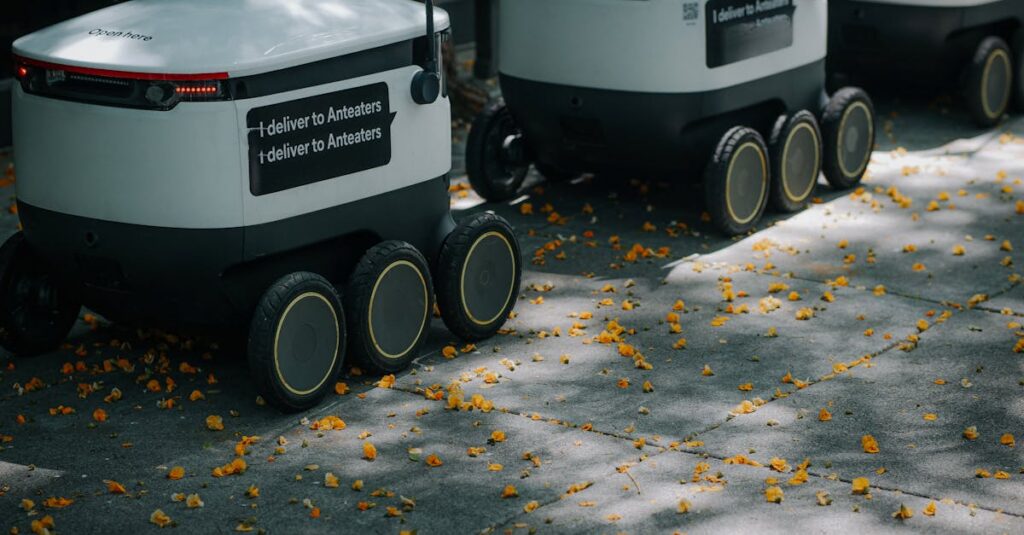

Picture this: youre ordering pizza, you wait wait longer, and then you realise your delivery driver might be a robot. It isnt science fiction; its a growing reality and the story behind it is steered by one guy in San Jose, Ton y Xu. Shortening your wait and cutting costs sounds good, but the road to that future is lined with more bumps than you might think.
Who Is Tony Xu?
In 2012, #{Tony Xu} co‑founded DoorDash, turning the idea of a delivery marketplace into the biggest name we see on our phones. The kid from Taipei, raised in the US, remembers a time when food on the go meant a long walk or a hailed taxi. He said, I was tired of the last‑mile problem and now Im busy solving it. Fast forward to 2025 and hes not just delivering food; hes pushing the envelope on how deliveries happen.
A Real‑World Pain for Autonomous Delivery
When Xu first talked about making deliveries autonomous, he wasnt excited about high‑tech gadgets alone. He was talking about lots of pain and suffering. What does that mean exactly? Heres the breakdown:
- Regulatory hurdles. Every city has rules. Autonomous vehicles must meet strict safety certifications, and testing zones are limited.
- Infrastructure limits. Drones need landing strips; ground robots need clear sidewalks a patchwork across neighborhoods.
- Technology maturity. Machine learning models still struggle with weather and unpredictable human behaviors.
- Stakeholder skepticism. Drivers, retailers, and customers all have concerns about quality of service.
We hear the headlines cautious progress or initial launch. But behind each headline is an engineering war, a regulatory maze, and countless hours of trial and error. Xus own words echo that: Getting it right is hard to get right in practice.
Progress In The First Innings
Talk of a full autonomous army never happened overnight. Instead, DoorDash has sprinted through innings small, testable pilots that yield real insights. Heres whats happened:
- Self‑Driving Pilot A (2023). A limited set of Boston riders enjoyed a robot‑fleet that could follow riders to designated pick‑up spots. Results: smaller delivery times, lower cost per mile.
- Drone Delivery Trial in San Jose (2024). With the citys help, DoorDash tested small drones in a restricted zone. The main win was the ability to bypass traffic congestion.
- Robot Grabs & Gears in Sacramento (2025). Using leg‑mounted bots, DoorDash achieved faster handoff times and improved package safety.
While each pilot faced setbacks unpredictable winds, a stray cat, or a mayors surprise complaint they also proved that autonomous tech can create tangible value. The data fed back into software updates, fleet refinements, and new safety protocols.
What The Future Looks Like
When you imagine the near‑future, picture three major changes that Xu identifies as our realistic path forward.
- Hybrid Delivery Models. Deliverers will work side‑by‑side with semi‑autonomous vans, scaling to peak hours and saving human labor for high‑complexity orders.
- Smart Urban Infrastructure. Cities will build dedicated lanes or robot roads, opening up safe pass‑through lanes for ground robots.
- Consumer Acceptance. As ghost deliveries become the norm, customers will trust delivery times and prices more than ever. UX improvements like real‑time tracking of a drones path will help.
With these shifts, DoorDash can lower operating costs and give customers more flexible windows without sacrificing safety.
Why It Matters to You
Whether youre a foodie, a drone enthusiast, or a policy analyst, understanding Xus narrative gives you a peek into:
- How technology reshapes everyday logistics.
- What trade‑offs companies face when innovating at scale.
- The role of leadership in setting realistic expectations.
Thats the real story behind the Tweets and investor calls a humane partnership with our urban ecosystems, rolling out one delivery at a time.
Takeaway & Call to Action
Lets wrap up. Tony Xus candid admissions pain, practice, progress remind us that big tech innovations rarely win clean starts. Its a marathon, not a sprint. But that isnt a flaw; its why you cant ignore the future today.
What do you think? Are you excited or skeptical about autonomous food delivery? Drop your thoughts in the comments below. Got an idea you want to see realized? Share it with usyour feedback might help shape the next post.
And hey, if you want more insider updates, subscribe to our newsletteryoull get the latest on tech and trends straight to your inbox.