
Did you hear about the latest ebola outbreak? Yeah, the one thats rattling the worlds health systems and putting a spotlight on how fast we can move when danger lurks? Lets break it down, see whats at stake, and find out how we can all stay on our toes.
Whats Happening in the 2026 Ebola Outbreak?
The current ebola outbreak, first spotted in the Democratic Republic of the Congo late last month, has already crossed borders and sparked a WHO declaration of a public health emergency.
- Spread: Over 300 suspected cases in just 45 days.
- Virus: The Bundibugyo strainone of the lesser-known culprits yet no less deadly.
- Reproduction number: Roughly 1.6, meaning each infected person, on average, passes it to almost two more people.
Key Facts and Figures You Need to Know
The numbers can feel intimidating, but theyre essential to remember. Theyll help you gauge the situation and keep conversations grounded.
- Cases: 345 confirmed as of the latest update.
- Fatalities: 180, a grim 52% fatality rate.
- Vaccines: The rVSV-ZEBOV vaccine has shown up to 90% protection in trials and is being rolled out in emergency hubs.
- Contacts: Over 12,000 people are under close monitoring.
How the WHO is Leading the Fight
The World Health Organization isnt just talking theyre acting. Their strategy hinges on rapid response and community engagement.
- Early Detection: Field teams are using mobile tech to flag suspicious symptoms within hours.
- Isolation: Dedicated safe zones for patients keep the virus from leaking out.
- Education: Public messaging (via local radio and drones) informs villagers about symptoms and safe practices.
- Resources: Global solidarity has channeled over $120 million in supplies and staff.
What You Can Do to Stay Safe
Sure, you cant fly to a hospital in the middle of a jungle, but there are steps to protect yourself and your community.
- Learn the signs: Fever, bleeding, sweatingall red flags that let you act fast.
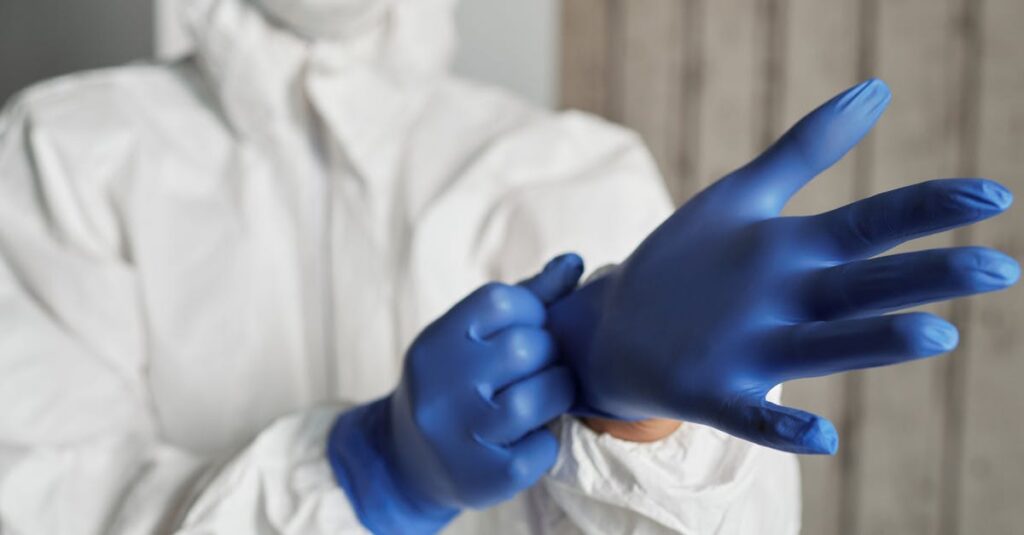
- Practice good hygiene: Hand washing or alcohol-based sanitizer can kill the virus before it finds a foothold.
- Use masks: Workers in high-risk zones wear N95 masks you can help source or distribute when local supply stalls.
- Support local health workers: Offer to donate blood, food, or volunteer time to staff; theyre the backbone of containment.
- Stay informed: Follow reputable health news feeds and WHO bulletins to know when a new cluster appears.
Looking Ahead: Future Threats and Preparedness
Why does the 2026 ebola outbreak matter for us personally? Because learning today safeguards tomorrow.
- Genomic research: Scientists are mapping the viruss evolution; this can guide better vaccines.
- Infrastructure: Building more flexible hospital rooms means faster response next time.
- Community drills: Training local teams means fewer days for the virus to spread.
- Policy: Governments are already revising travel guidelines for high-risk zones.
Conclusion: Stay Informed and Stay Prepared
The ongoing ebola outbreak feels news‑worthy because its happening in real time. That means the urgency isnt just anecdotal its a call to action. Keep your eyes open, stay educated about whos at risk, and back the local health heroes that fight this on the ground. What steps are you ready to take when the news breaks? Share in the comments and lets keep the conversation rolling. And remember, like Reuters said, the next outbreak might be only a step away staying informed today can make a life‑saving difference tomorrow.