
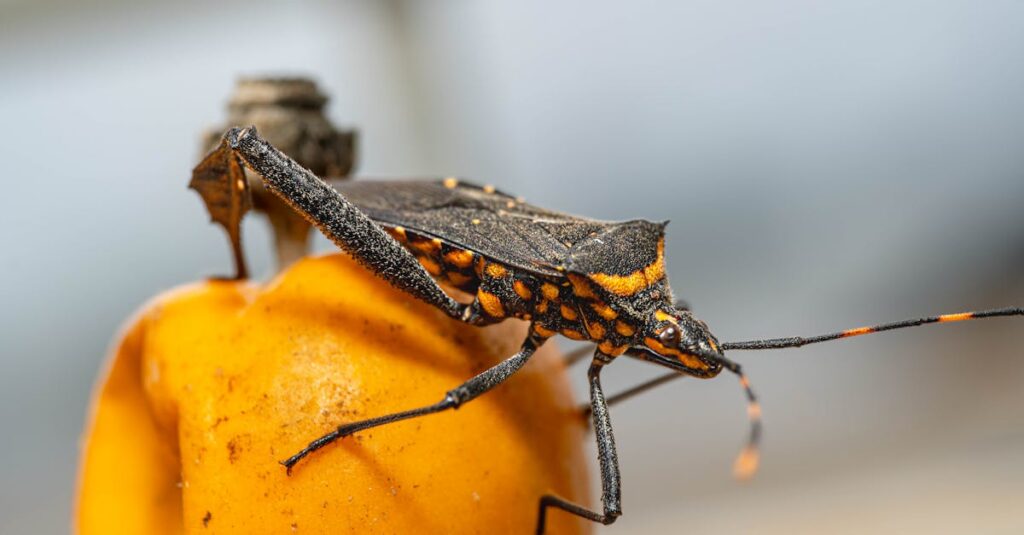

Last week, a buzzing headline popped up: *kissing bug disease* is no longer a foreign threatits here, too. That little bite can feel like a harmless pimple, but its actually the gateway to a serious infection called Chagas. If you live in California, Texas, or even parts of the Southwest, this isnt just a storyits a reality waiting to catch you off‑guard.
What Is Kissing Bug Disease?
At its core, kissing bug diseaseor Chagas diseaseis caused by the parasite Trypanosoma cruzi. The bugs that spread it are nocturnal, blood‑sucking insects that prefer to bite faces, hence the nickname kissing bug. When they feed, they leave a tiny ulcer, and each bite is a potential infection lane.
How These Bugs Bite & Transmit the Parasite
Picture a sleepy summer night. Youre tucked in, the lights are off, and the air feels thick. In the darkness, a tiny insect alights on your cheek. You might feel a sting, but the bites danger lies below the skin. The bugs digestive tract leaks the parasite into your bloodstream during feeding.
- They bite silentlyno alarm bells.
- Parasites enter through the skins microscopics.
- Transmission mainly occurs in the Southern U.S., especially in California, Texas, and Florida.
Why the U.S. Is Starting to Face Its Own Kissing Bug Wave
Until a few years ago, we heard about these bugs only through international news. Now, state health departments in California, Nevada, Arizona, and Texas have reported new autochthonous casesmeaning the bugs are breeding locally, not just arriving from abroad. Its a subtle shift that could mean:
- Homes near water sources are prime habitats.
- Climate change is giving the bugs a longer flight season.
- Urban expansion brings people closer to rural bug zones.
So, what does that mean for you? It means you might be a safety net you never knowingly needed to catch.
What to Look For: Early & Late Symptoms
Symptoms of kissing bug disease often start mild and can be mistaken for a cold or a rash. They typically appear in 4 stages:
- Acute phase (12 weeks)fever, swelling, chills, and sometimes eye inflammation.
- Early chronic (monthsyears)atypical symptoms: weight loss, fatigue, or heart palpitations.
- Advanced chronic (years)heart failure, digestive issues, or sudden death.
Because the parasite can lie dormant for years, many people never know theyre carrying it until obvious heart or digestive crises arise.
How to Kick These Bugs Out of Your Home
First, keep your home bug‑free. That means simple habits that make your living spaces less attractive to these tiny intruders.
- Seal cracks in walls, floors, and foundations.
- Set up window screens that fit tightly.
- Use insecticide‑treated nets around beds.
- Keep outdoor lighting dim during evenings.
- Replace waste material promptlybugs like rotting food.
Also consider a professional inspection if you live in or near high‑risk areas. A few visits a year can keep bugs at bay and save your sanity (and bills).
What To Do If You Think Youve Been Bit
1. Clean the bite areawash with soap and water, apply a sterile dressing.
2. Watch for fever or swellingthese can signal infection.
3. Contact your doctormention the bite and possible exposure. Early detection is key.
4. Travel history can also help; even if you never left the U.S., local bugs may have been lurking.
Once Its Confirmed: Managing the Disease
Fortunately, early‑stage infections respond well to antiparasitic meds like benznidazole or nifurtimox. Treatment cant always reverse long‑term damage, but it can halt progression. For chronic cases, doctors monitor heart and digestive systems regularly, stepping in when abnormalities arise.
Also, lifestyle changes matter: low salt diets, regular exercise, and avoiding alcohol help protect your heart.
Community Rises to the Challenge
State health agencies are stepping up surveillancetesting homes, tracking bug populations, and distributing free insecticide sprayers during high‑risk seasons.
Public awareness is skyrocketing. If youre live in an at‑risk area, future flyers will likely keep mentioning kissing bug disease. Keeping open communication in neighborhoods helps create a front line against spread.
Your Takeaway: Stay Informed and Stay Safe
We all want a simple answeryes or no to worry. The truth? The risk is higher, but you can dramatically lower it with a few smart choices. Fix leaks, use screens, and keep your family updated on any post‑bite symptoms.
Bottom line: kissing bug disease can be prevented, detected early, and treated effectivelyif you act fast.
What do you think? Share in the comments or drop a quick message. And if you found this helpful, why not subscribe to our newsletter for the latest health alerts?